%2Ffit-in%2F250x250%2Fguide_websites%2F30662%2Fimages%2F1745569072421image-2025-04-25t152743.906.png&w=1920&q=100)
/users/ecc07540-ec63-4348-98ef-f8b717ceb01b/ratecard/3.png)
%2F300x300%2Fusers%2Fecc07540-ec63-4348-98ef-f8b717ceb01b%2Fratecard%2F3.png&w=256&q=75)
%2F300x300%2Fusers%2Fecc07540-ec63-4348-98ef-f8b717ceb01b%2Fimages%2Fbest-great-fishing-bc-location-2420.png&w=256&q=75)
%2F300x300%2Fusers%2Fecc07540-ec63-4348-98ef-f8b717ceb01b%2Fimages%2Ffishing-adventure-bc-2186.png&w=256&q=75)
%2F300x300%2Fusers%2Fecc07540-ec63-4348-98ef-f8b717ceb01b%2Fimages%2F5-big-fish-bc-fishing-2489.png&w=256&q=75)
%2F300x300%2Fusers%2Fecc07540-ec63-4348-98ef-f8b717ceb01b%2Fimages%2Fscenic-fishing-trip-vancouver-island-2282.png&w=256&q=75)
%2F300x300%2Fusers%2Fecc07540-ec63-4348-98ef-f8b717ceb01b%2Fimages%2Fsolitary-angler-scenic-bc-2402.png&w=256&q=75)
%2F300x300%2Fusers%2Fecc07540-ec63-4348-98ef-f8b717ceb01b%2Fimages%2Fpeaceful-fishing-in-bc-2239.png&w=256&q=75)
Premium Port Renfrew Salmon Fishing Package
 Port Renfrew
What you will be catching:
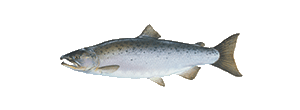
 Chinook Salmon
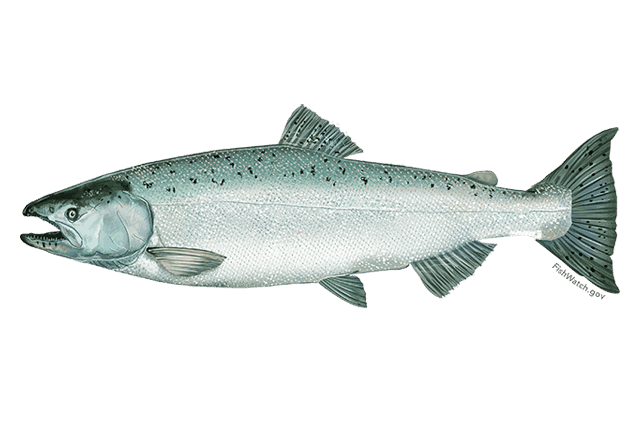
 Coho Salmon
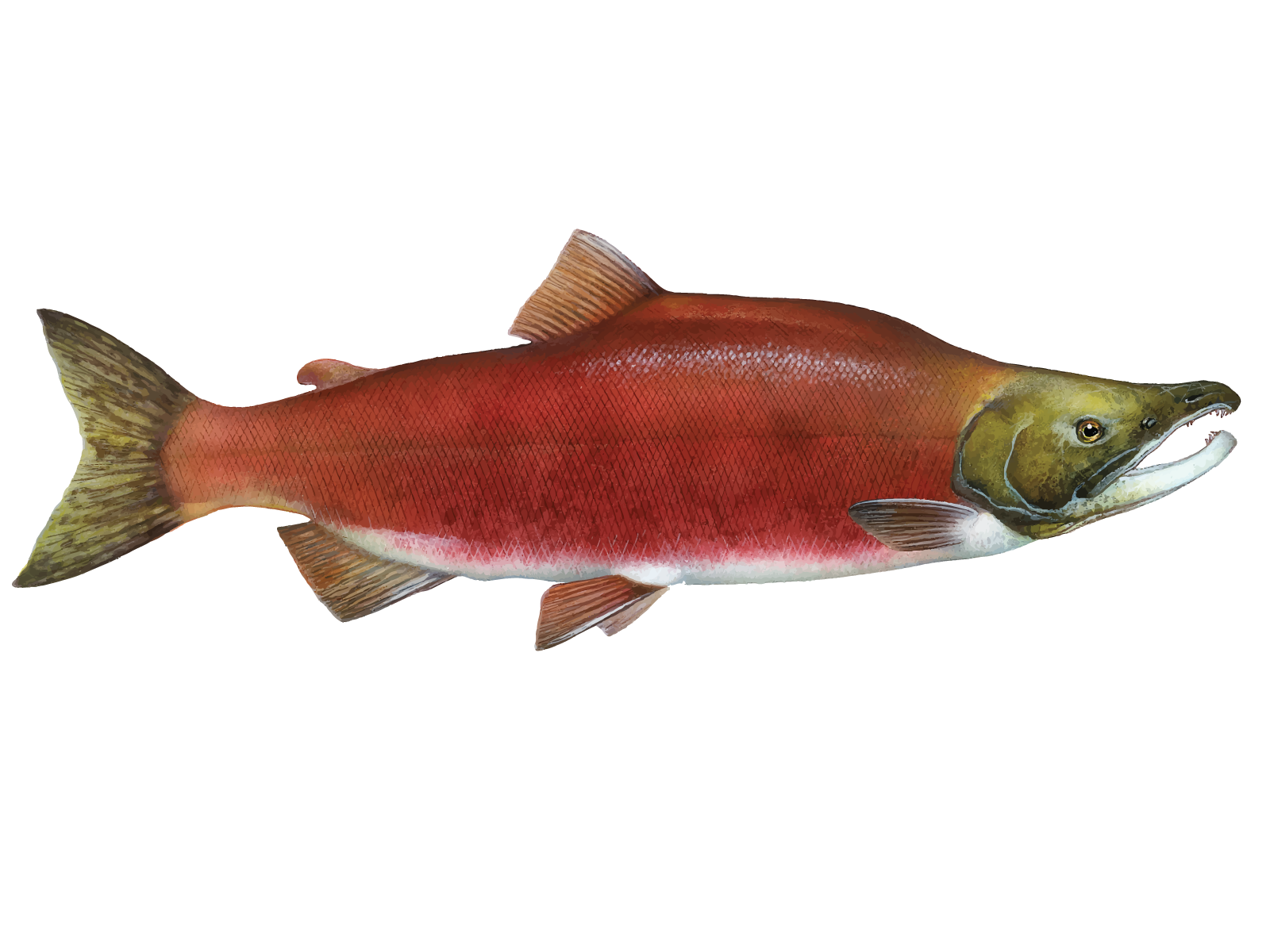 Sockeye Salmon
- Four-day guided salmon and halibut fishing adventure in Port Renfrew
- All-inclusive package with lodging, meals, licenses, and airport transfers
- Professional fish processing and packaging service included
Trip Pricing and Availabilities:
Epic 4-Day Salmon Fishing Adventure in Port Renfrew
Get ready for the fishing trip of a lifetime on Vancouver Island's rugged west coast. This 4-day guided salmon and halibut fishing package in Port Renfrew is the real deal for anglers looking to land trophy Chinook, Coho, and halibut. You'll be out on the water for 8 full hours each day, giving you plenty of time to find the hot spots and reel in some monsters. With comfortable lodging right by the dock, gourmet meals, and everything taken care of from licenses to fish processing - all you need to focus on is the thrill of the catch.
What to Expect on the Water
Each morning, you'll meet your guide at the crack of dawn, ready to hit the fertile fishing grounds off Port Renfrew. We're talking world-class salmon fishing here, folks. You'll be aboard a well-equipped boat with just you, your fishing buddy, and your expert guide - perfect for personalized attention and access to the best fishing spots. We'll be targeting Chinook (King) salmon, known for their impressive size and fight, as well as the acrobatic Coho (Silver) salmon. And don't forget about the bottom-dwelling halibut - these flatfish can grow to enormous sizes and make for some of the best eating around.
Insider Fishing Techniques
Out here, we primarily use trolling techniques to entice those big salmon. We'll be setting up downriggers with a spread of lures, spoons, and bait. Your guide will know exactly what's working best that day - could be a green/glow hoochie one day, a whole herring the next. For halibut, we'll switch gears and drop large jigs or bait to the ocean floor. It's a different style of fishing, but just as exciting when you feel that telltale thump. Don't worry if you're new to these methods; your guide will walk you through everything and have you fishing like a pro in no time.
Why Anglers Keep Coming Back
It's not just about the fishing (though that's pretty darn good). After a full day on the water, you'll head back to your comfortable digs right near the harbor. No long drives, just a quick hop from boat to bed. Chef Ian will be whipping up some seriously tasty grub - we're talking fresh-caught seafood and local specialties that'll have you looking forward to dinner as much as the next day's fishing. Plus, with all your catch cleaned, processed, and packed for you, there's zero hassle when it comes to bringing home your bounty. It's the kind of full-service experience that keeps fishermen coming back year after year.
Species You'll Want to Hook
Chinook Salmon: Also known as King salmon, these are the heavyweights of the Pacific salmon world. In Port Renfrew waters, Chinooks can reach sizes of 30+ pounds, with some lucky anglers landing 50+ pound trophies. They're known for their power and endurance - when a big Chinook hits, hold on tight! Best fishing is typically from June through September, with peak season in July and August. The fight of a lifetime and some of the best-tasting salmon you'll ever have.
Coho Salmon: These silver bullets are prized for their acrobatic fights and delicious meat. While typically smaller than Chinooks (averaging 7-10 pounds), what they lack in size they make up for in feistiness. Coho are known for their spectacular leaps and runs when hooked. The Port Renfrew Coho fishery usually kicks into high gear from July through September. There's nothing quite like watching a chrome-bright Coho tailwalking across the surface after taking your lure.
Halibut: The giants of the flatfish world, Pacific halibut can grow to enormous sizes. While the average catch might be in the 20-40 pound range, there's always the chance of hooking into a barn door over 100 pounds. Halibut fishing off Port Renfrew is generally good from May through September. These bottom-dwellers put up a stubborn fight, and the white, flaky meat is considered a delicacy. Landing a big halibut is often the highlight of many fishing trips - it's like reeling in a submarine!
Time to Book Your Spot
Look, if you're serious about salmon fishing, this Port Renfrew trip needs to be on your bucket list. Four full days of fishing in some of the most productive waters on the West Coast, with everything taken care of from start to finish. You're getting top-notch guides, comfortable lodging, gourmet meals, and the chance to battle with some of the biggest salmon and halibut swimming in the Pacific. Spots fill up fast, especially during peak season, so don't wait to lock in your dates. Give Tyee Tom's Fishing Charters a call and get ready for the fishing adventure of a lifetime. Trust me, your future self (and your taste buds) will thank you.
Learn more about the species
Chinook Salmon
# Chinook Salmon (Oncorhynchus tshawytscha) Chinook salmon is also known as King Salmon and is the largest of the Salmon species. It is a popular game and commercial fish. Oncorhynchus tshawytscha is similar to its brethren Coho salmon and Rainbow trout. King Salmon has silver sides and blue-green back. It has black spots on the head, back, tail, and all the fins. It also has a black mouth and gums. Wild salmon are well known for their hard fighting ability and excellent table fare. ## Chinook Salmon Size and Weight Chinook salmon is a large fish and it can grow from 12 to 39 inches and weighs around 7 to 15 pounds. But depending on the habitat, weight can exceed 20 - 30 pounds. ## Chinook Salmon Interesting Facts • They can live up to 7 years. • This specie is anadromous. They migrate to Seawater and later return to spawn in freshwater. • Oncorhynchus tshawytscha die soon after spawning. • King salmon have reddish-pink or orange meat. • Males are more colored than females and have a distinguished nose and upper jaw. • Chinook salmon leaves a water body if the habitat starts degrading, making it a good indicator of the water conditions. ## Chinook Salmon Habitat Young Chinook salmon can be found in freshwater and estuaries. Adults move into the open Ocean for better nutrition and food. The fish can also be found in cold streams, especially in hiding places such as tree roots. Snow melting into lakes and streams also helps their environment. ## Chinook Salmon Spawning Chinook salmon are ready to spawn from 2 to 7 years of age. Female makes redds or gravely nests and lays the eggs. Depending on spawning time and temperature, hatching takes place in early spring or late winter. ## Chinook Salmon Food Young Chinook salmons feed on plankton, insects, small fish, and invertebrates. Adult Salmon in Ocean also enjoy many organisms such as sand lance, pilchards, squids, herrings, and crustaceans. ## Chinook Salmon Fishing Chinook salmon is sensitive to light so they stay at water bottom mostly. So, anglers should use weighted baits. The best time for fishing them is early morning or in the evening. Ship Creek in Anchorage, Alaska, and Lake Oahe in South Dakota are among the top spots to fish them. • Fly fishing King salmon is very exciting, but keep in mind to not swing too far and keep the fly swimming in water. • When Salmon fishing in lakes, down-rigging and trolling works best. • Anglers can also still fish in deep water using a herring. • Trolling is also an effective method using plugs, spoons, live or dead bait. ## Chinook Salmon Baits and Lures Fly Fishing: when selecting flies for king salmon, most of the time exact fly pattern is not overly important. However, depending on a bunch of variables (light, water levels, location, etc.) fly color can make a big difference. Some examples include rhea tube intruders, bunny leeches, marabou tubes, shanked intruders, minnows. On a bright day lean towards bright color combos like chartreuse/blue or pink/orange, and for cloudy/dark days blue/black and purple/black color combos. Other Fishing: Use of plugs, spoons, trolling flies, live or dead bait, sand shrimps ## Chinook Salmon Distribution Chinook can be found in the colder water of the Pacific Ocean from the coast of Alaska, Western Canada, Oregon, Idaho, Washington State, and Northern California. It has been introduced in Great Lakes of United States and can also be found in Japan and Russia.
Coho Salmon
# Coho Salmon (Oncorhynchus Kisutch) Coho salmon is a famous sport and commercial fish. It is very acrobatic in nature and is a good fighter. It is also known as silver salmon. The fish is similar to Chinook salmon (but not as large), Rainbow trout and Brook trout. Wild Salmon is well-known for its tremendous taste. Coho Salmon has dark blue-green back, silversides, and white belly. Black spots are present on the back and upper sides of the tail. Mature Coho Salmon has maroon to reddish sides and dark backs. ## Coho Salmon Size and Weight Coho Salmon can be 12 to 30 inches long and weighs about 8 to 12 pounds. Silver Coho caught from the Great Lakes, weighed 33 pounds 4 ounces and so, holds the world record. ## Coho Salmon Interesting Facts • The fish, Oncorhynchus Kisutch, is anadromous in nature. • They die soon after spawning. • Silver Salmon has a bright orange/red meat. • Males have extended upper and lower jaw developing a hook (kype), making it impossible for them to close their mouths. • Coho salmon is said to live up to 5 years. • This fish can jump vertically up to 6 feet. ## Coho Salmon Habitat They tend to live in calm and quiet areas under debris and can be found in large rivers connected to the ocean. During the early stage, the juvenile Coho salmon spends its time in freshwater. After growing a bit, the fish moves to live in estuaries or brackish water (mix of fresh and saltwater) and later migrates into the ocean. ## Coho Salmon Spawning A female Oncorhynchus Kisutch is ready to spawn at age of 3. Gravel nests are made by the female and fertilized eggs are laid. Eggs hatch in 6 to 7 weeks. Depending on the temperature of the water, eggs hatch in late winter or early spring. ## Coho Salmon Food Coho Salmon can eat aquatic insects, smaller fishes, squid, herrings, pilchards, crustaceans, and sand lance. ## Salmonidae Family Coho salmon share the Salmonidae species order with trout. Other popular salmon include the Sockeye salmon (red salmon), Chinook salmon (King salmon), Atlantic salmon, Pink salmon & Chum salmon. ## Coho Salmon Fishing Salmon is a desired game fish well known for their fight. What makes the coho and all salmon unique is their migration from the river to ocean and back to the river. The Pacific Ocean salmon can be found in Alaska, Canada, Washington, Oregon and in Northern California. Katmai National Park, Alaska is famous for Coho salmon fishing. • In fast waters, swinging spinners is a popular decision. • For holding water, twitching jigs are recommended. Buy a jig with long tail for better movement in the water. • You can also use float fish roe for Coho Salmon fishing in both traveling and holding water. For this, fasten a cut roe with hook and swing it into the water. • Coho Salmon is a renowned game fish and anglers enjoy its fly fishing. As the Silver Salmon are fighters, to fly fish for them you can use a single hand rod with a strong handle for better lifting power. ## Coho Salmon Baits and Lures Fly fishing flies include leaches, various minnow patterns, or wooly buggers are good starts. Bright patterns such as chartreuse, pink and Fuchsia. Spin casting lures include plugs, spoons, trolling flies, live bait like minnows and roe. ## Coho Salmon Distribution Coho Salmon can be found in North Pacific Ocean. The fish also ranges from Alaska streams and rivers to Central California and from Southeast Alaska water bodies to Central Oregon. It is also reported in Baja California, Mexico.
Sockeye Salmon
Sockeye Salmon (Oncorhynchus Nerka) Description
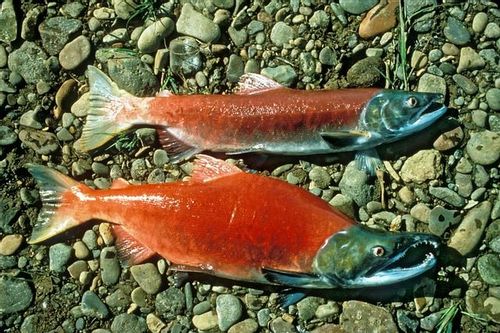
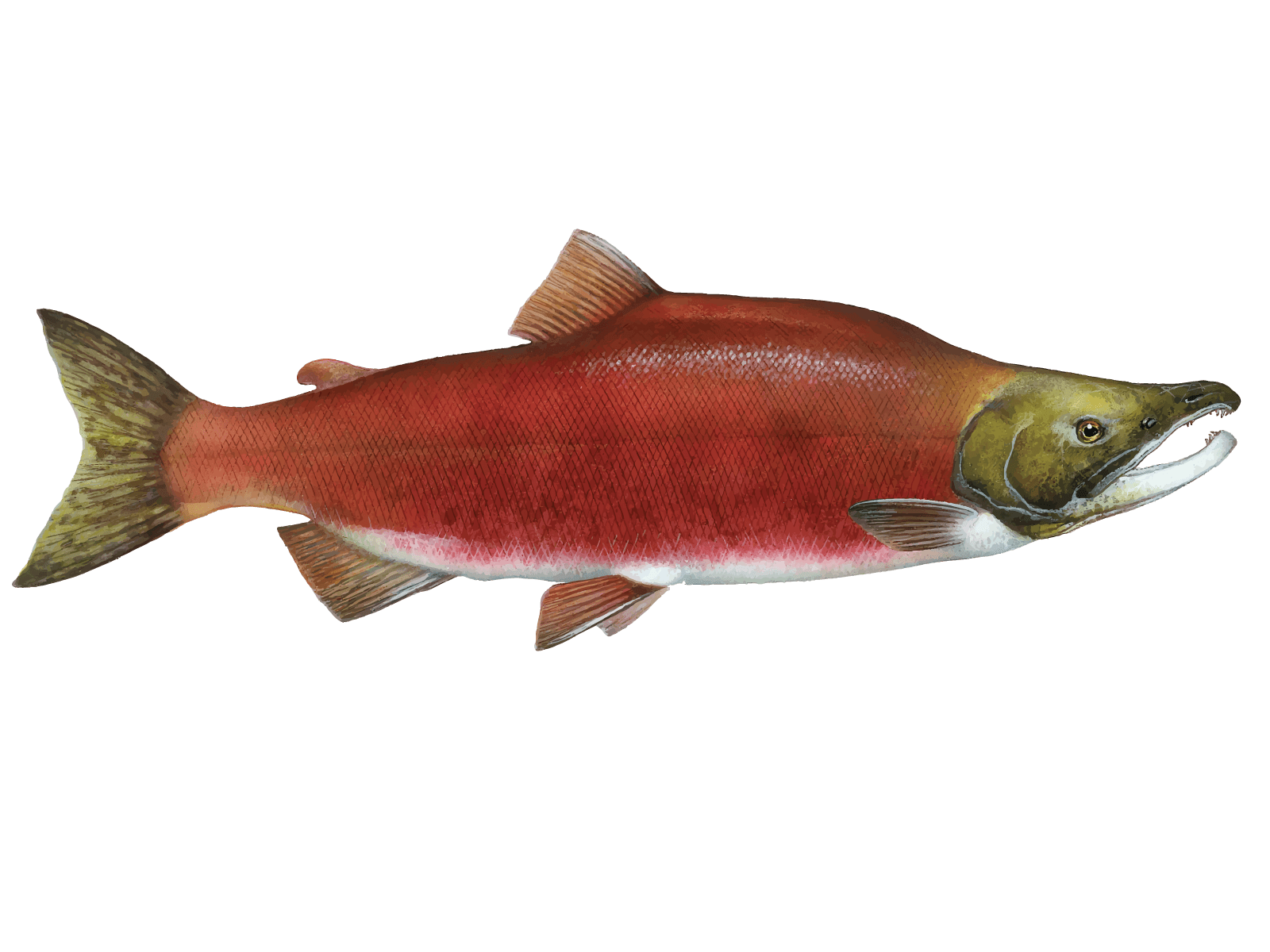
Sockeye Salmon (Salmonidae family) is a small fish compared to other species in the salmon family. Wild sockeye salmon have a metallic blue-green back, silver sides, and a white belly. Unlike other pacific salmon, it lacks distinct black spots, but few specks can be found on the back only. There are none on their fins and tail. When they return to the freshwater spawning grounds, the sockeye's head turns green, and their body turns red.
Size and Weight
The average Sockeye Salmon is 18 to 32 inches and weighs 4 to 15 pounds.
Habitat and Distributions

The Sockeye Salmon are born in rivers and streams that are tributaries of the Pacific, then as adults, travel to the Pacific Ocean. They return to the rivers during spawning season. Due to the degradation of its habitat and overfishing, studies show that this salmon species' population is in decline.
The Northern Pacific Ocean and its tributaries are native points of these wild salmon. They range from Bristol Bay, Alaska, to the infamous Copper River. They are found in many areas of British Columbia and as far south as the Sacramento River, California. They can travel inwards up to 900 miles.
Interesting Facts
Sockeye Salmon are also called red salmon and blueback salmon.
They are anadromous in nature, which means they travel from freshwater to seawater and then later return to their hatching point to spawn. They can identify their home stream using their smell and will travel incredible distances to return for spawning.
All salmon species have a unique spawning process where they watch the nest, dying shortly after spawning.
The landlocked sockeye are called kokanee and are not anadromous.
Wild salmon is a well-known delicacy, fetching top dollar. A salmon fillet with orange or pink meat has high nutritional value.
Diet
Juvenile Sockeye feed on zooplankton, amphipods, and insects. Once they reach the ocean, the adult sockeye diet comprises small adult fishes, larvae, and sometimes squid.
Fishing Techniques - How to Catch Sockeye Salmon
Salmon fishing is one of the most exciting experiences for the fly fisherman. Alaska and British Columbia are renowned for their Sockeye Salmon runs.
The best time for fishing sockeye is May through September. At this time, the fish swim upriver and close to the bottom. With their mouths opening and closing, the trick is to find the right lure for the water level and place it where the leader is at mouth level. Large flies are for high water and smaller ones are best for low water. When the water temperature is over 60 degrees, salmon have a greater desire to go after a dry fly. When fishing in the fall, the most successful flies are traditionally larger and very colorful. If you are unsure about what size fly you should be using, your best bet is to start with a #6 wet fly. A 7-9 weight 9-foot fly rod is good to catch a feisty red salmon.
Anglers who are bait-casting should use spinning rods in the 8 - 20 pound range. Sand shrimp and salmon roe are popular live baits. Small spoons, spinners, small flies, and streamers are good lures.
Is Sockeye Salmon Good to Eat?
Sockeye salmon is a delicious and nutritious fish that is renowned for its rich flavor and beautiful red color. Its rich flavor and texture make it a versatile ingredient that can be cooked in a variety of ways, from grilling to poaching. Compared to other salmon like the popular Chinook Salmon, Sockeye is an oilier fish with deep red flesh. It has a stronger flavor and a sturdy flesh which makes it stand up to grilling.
This delicious fish is not only packed full of flavor, but it's also loaded with a wide range of health benefits. From improving heart health to reducing inflammation, Sockeye salmon is one of the best foods you can eat when it comes to your overall well-being. The wild-caught variety, in particular, is abundant in essential vitamins, minerals and heart-healthy fats. With its bright red flesh, sockeye salmon is not only a feast for the eyes, but it is also packed with omega-3 fatty acids, which help to lower the risk of heart disease. Additionally, it contains vitamins B12 and D, both of which are vital for optimal brain and immune system function. Sockeye salmon is also rich in potassium, which is crucial for healthy muscle function, and selenium, an important mineral that helps to support the body's antioxidant defense system. Eating wild-caught sockeye salmon is not only delicious but also an excellent way to nourish your body with essential nutrients.
World Record
The world record for sockeye salmon is 15 pounds 3 ounces and was caught on the Kenia River in Alaska by Stan Roach.
About the Big Deck Energy
%2F%2Fusers%2Fecc07540-ec63-4348-98ef-f8b717ceb01b%2Fvehicle_picture%2Fimage-2025-04-25t151441.708.png&w=1920&q=75)
Vehicle Guest Capacity: 6
Manufacturer Name: Mercury 2015
Maximum Cruising Speed: 30
Number of Engines: 2
Horsepower per Engine: 250